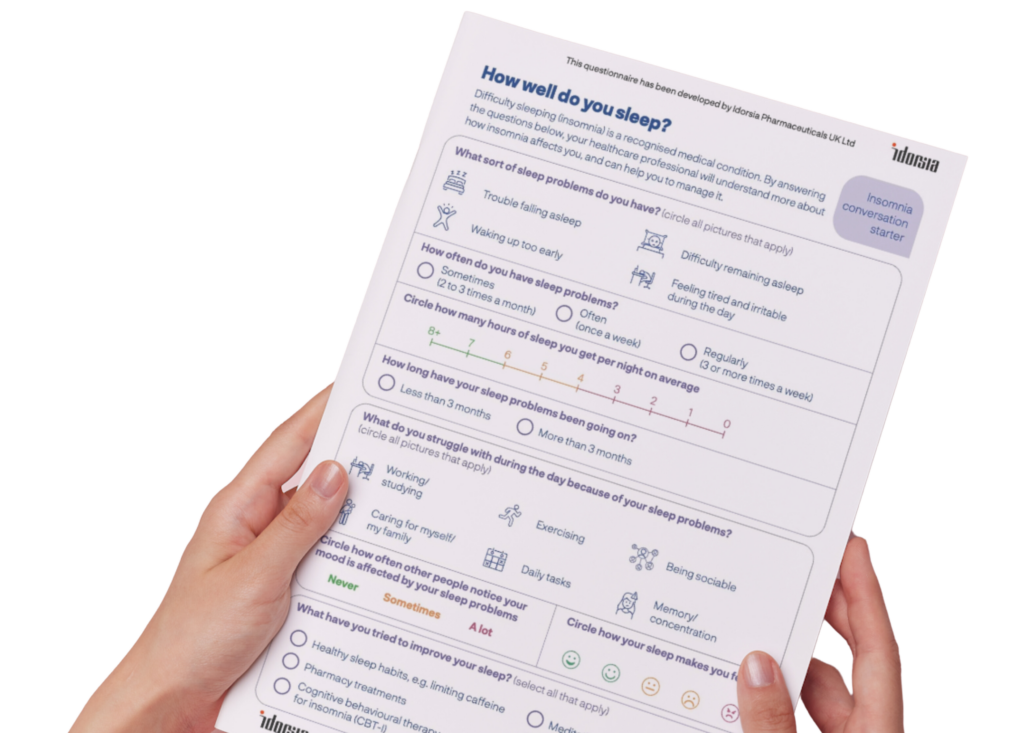
What are sleep aids for insomnia?
- Sleep aids provide a quick way to induce drowsiness and are widely available.1,2
- Common options include antihistamines, melatonin, valerian, and alcohol1,2.
- Useful for short-term sleep issues but may not improve sleep quality long-term.
Chronic insomnia not only affects nighttime sleep
– it can also significantly impact daytime activities.

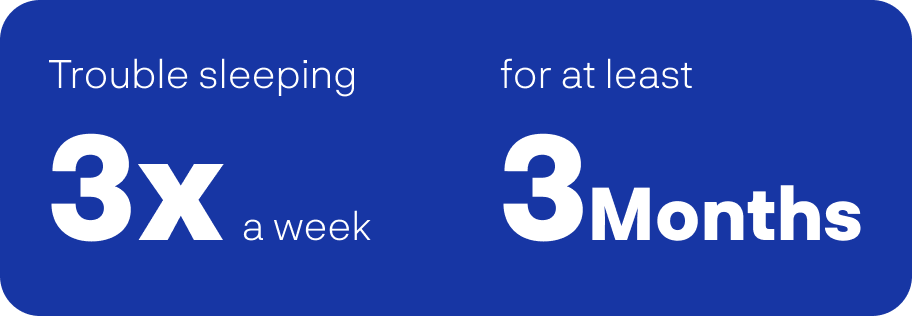
Everyone has trouble sleeping now and then. But when trouble sleeping becomes something that lasts for at least 3 times a week for 3 months or longer, it’s known as chronic insomnia.3

Poor sleep also affects your daytime activity. If you don’t get enough restful sleep at night, it can result in:3
- Morning sleepiness
- Fatigue
- Bad work performance
- Reduced social interactions
- Poor concentration
- Irritability and bad moods
What are sleep aids for insomnia?
Sleep aids are popular because they can offer a quick and simple solution to help you fall asleep and are often easy to come by in pharmacies and other health shops.1,2
But, despite the fact they’re easily accessible and may help you fall asleep by making you feel drowsy, sleep aids may not be suitable as a long-term option for people living with chronic insomnia.1,2
Let’s take a look at some of the most popular sleep aids that are available and see how they work.
Find out what may cause chronic insomnia
Have you tried any of these sleep aids before?
Antihistamines
People may think that antihistamines are only for allergies,4 but they’re an ingredient found in many over the counter sleep aids.1 This is because they have a sedative effect that can help you fall asleep by making you feel drowsy.1
Like many sleep aids, however, antihistamines may reduce the quality of your sleep and can leave you feeling drowsy the next day.1
Over time, you may also develop tolerance to antihistamines,1 which means you need to take more and more of the drug to feel the same effect.5 It’s even possible that when you stop taking them, your insomnia may feel even worse than before you started – this is called rebound insomnia.5
Melatonin
Melatonin is a hormone that’s made in your brain and it plays an important role in helping to control your sleep cycle.8,9
As it gets darker outside, your brain increases its production of melatonin, making it one of the reasons you start to feel sleepy at the end of the day.8,9 So, it’s no surprise that melatonin is sometimes advertised and touted as a sleep aid.8 That’s its job, after all.
The availability of melatonin varies from country to country.10 In some, low dose melatonin is available over-the-counter as a natural supplement.10 In other countries, however, it’s only available on prescription and is typically recommended to improve short-term sleep problems.10,11 This means that melatonin isn’t a solution for managing chronic insomnia.1
Learn more about melatonin
Valerian
Valerian root is a natural sleep aid extracted from a tall grassland plant, making it a popular herbal remedy and alternative to prescription drugs.1
The Ancient Greeks and Romans were fans of valerian root as they believed it could help manage numerous conditions, including insomnia.1 However, despite Valerian’s ancient popularity, there’s not much evidence that shows any real benefits on improving the quantity and quality of sleep.1,7
Alcohol
You may think that alcohol is both a convenient and cost-effective sedative that can help you to fall sleep,12 but it actually has a negative impact on the quality of your sleep, particularly during the second half of the night.12,13 It can increase the number of times you wake up and may even cause you to wake up earlier than usual.13
Learn more about chronic insomnia
Benefits and limitations of over-the-counter sleep aids
- Sleep aids are often supplements that can help you to get to sleep by making you feel drowsy and relaxed1
- Most sleep aids are easily accessible and don’t require a prescription (availability may vary from country to country)10
- Some sleep aids can leave you feeling drowsy during the day1,2
- Sleep aids are not recommended for people living with chronic insomnia14
- Some sleep aids also have a high risk of tolerance to the sedative effect15
Final thoughts on sleep aids
Sleep aids may help you to fall asleep more quickly, which is okay for the occasional night when you are struggling to drift off.1
Evidence for some sleep aids is mixed, suggesting that some could even contribute to poor quality sleep. To top it off, some may leave you feeling drowsy and unrefreshed during the day.1,2,15
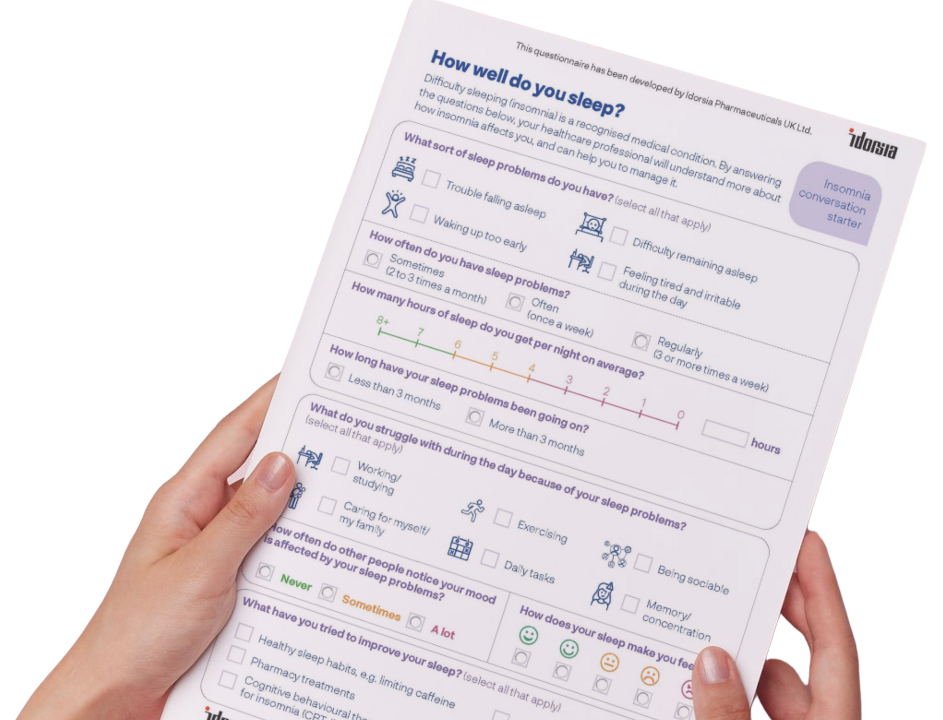
Would you like to know more about prescription drugs or relaxation techniques?
References
1. Lie JD, et al. P T. 2015; 40(11): 759–768, 771.
2. Bateson AN. Sleep Med. 2004; Suppl 1:S9–15.
3. Reimann D, et al. J Sleep Res. 2017; 26(6): 675–700.
4. Randall, et al. Aust Prescr. 2018; 41(2): 41–45.
5. Peper A. Dose Response. 2009; 7(2): 172–192.
6. Glass JR, et al. J Clin Psychopharmacol. 2008; 28(2):182–8.
7. Kim J, et al. J Med Food. 2018; 21(5):433–444.
8. Xie Z, et al. Neurol Res. 2017; 39(6):559–565.
9. Zisapel N. B R J Pharmacol. 2018; 175(16): 3190–3199.
10. Grigg-Damberger M. J Clin Sleep Med. 2017; 13(2): 163–165.
11. Andersen LPH, et al. Clin Drug Investig. 2016; 36(3):169–75.
12. Thakkar M. Alcohol. 2015; 49(4): 299–310.
13. Park SY, et al. Korean J Fam Med. 2015; 36(6): 294–299.
14. Lam TH, et al. Complement Ther Med. 2018; 41:231–239.
15. Winrow CJ. Br J Pharmacol. 2014; 171(2):283–93.
EUC-IDS-00086 April 2025